To Assemble Begin by adding a third of the dressing mixture to the bottom of 913 pan about a to an inch high to cover the bottom of the pan

Why bust gaping happens The wrap overlap is too small for the size range The neckline angle is too open for fuller bust The fabric has low recovery, so it relaxes after wearing The tie point is placed too high or too low, pulling the front off balance Pattern fixes I use most often 1) Overlap control I increase overlap width at the bust level I keep overlap consistent across grading, not only at size S 2) Neckline stabilization I add stay tape or clear elastic inside the neckline seam I use a facing or narrow binding that does not stretch out 3) Shaping for real bodies I add bust darts, or I use princess seams for better contour I check the bust apex position for the target market 4) Functional closures I add hidden snaps at the wrap edge I add internal button + buttonhole for heavier fabrics A practical anti-gap checklist for sampling I test the dress on 2 bust sizes, not one I ask the model to sit, reach, and walk fast I check if the wrap edge flips during movement I check neckline after 30 minutes of wear Which fabrics work best for a wrap A-line dress, and which fabrics create problems

Which raises the question further would something like a knitted tee with dark high-twist trousers pair well with a black cap toe oxford, and would that still sit comfortably within the high-low dressing spectrum
This is the back armhole line
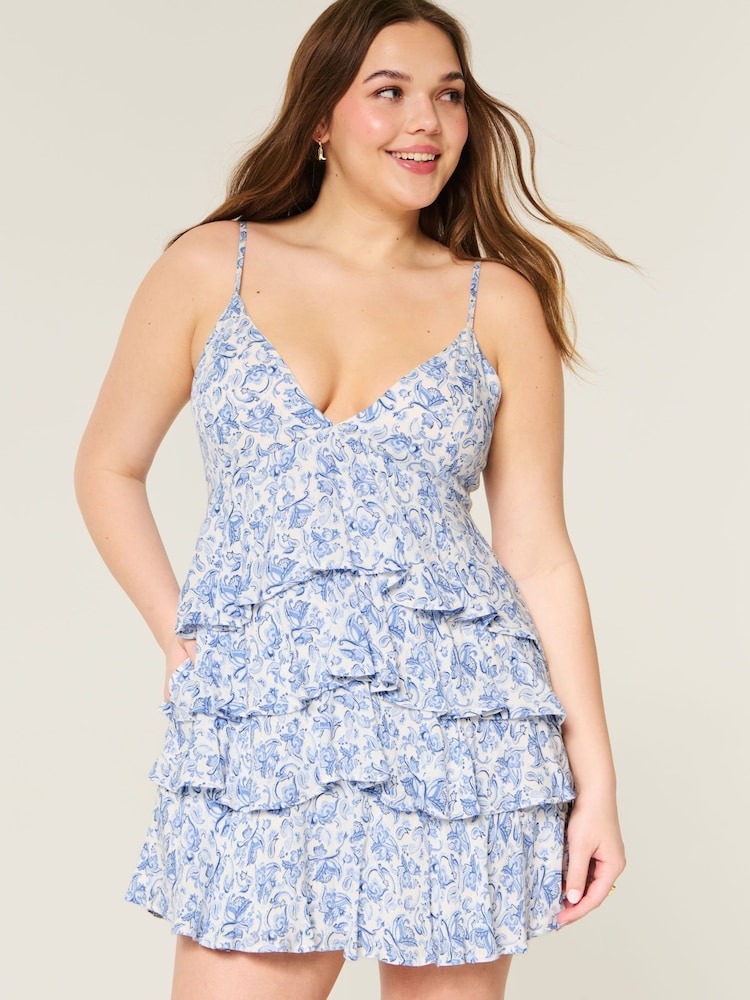
Alice & Olivia's "Bauery" babydoll dress is a simply sweet addition to any wardrobe