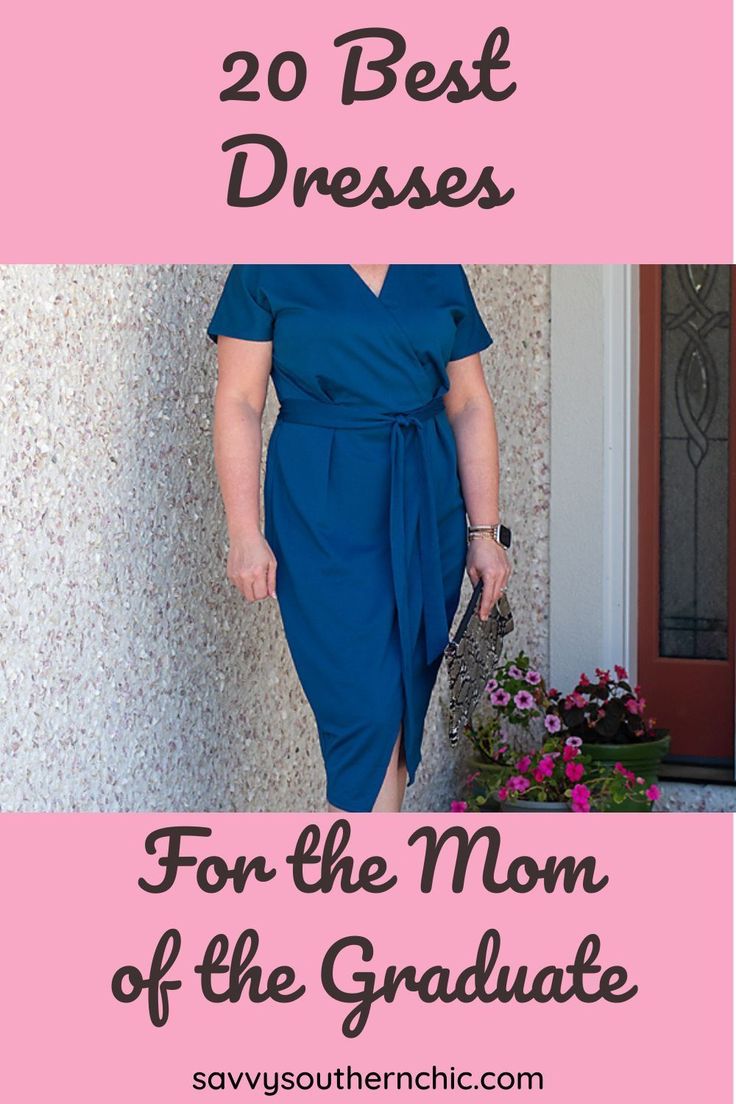
Consider a coordinating shawl or bolero for cooler weather or added coverage.
View A is for woven fabrics and includes scalloped pockets and wide waistband, View B is for woven fabrics and includes a narrow waistband, View C is for stretch fabrics
[sendtonews type="float" key="a7krVxcpfy-2831208-14453"] "Historic garments should not be worn by anybody, public or private figures," the International Council of Museums (ICOM) said in a statement on May 13, per Art News
[13] Gallery [edit] Muiredach's High Cross (9th century) clearly depicting the Irish line The Irish Girl by Ford Maxon Brown, 1860 An Irish cailn in traditional dress, c.1890 Vintage Galway shawl with its fringe removed An Irishman in County Galway, 1902 A Market Square in Galway, circa 1910 William Gibson, 2nd Baron Ashbourne (1929) adopted "Irish dress" during the Gaelic revival Examples of traditional clothes previously worn on the Aran Islands at the National Museum of Ireland Country Life See also [edit] Pampooties, rawhide shoes, which were formerly made and worn on the Aran Islands of County Galway Further reading [edit] Mairad Dunlevy (1989)
Good-stretch material, fully lined